
Call us
08045478517
Call us
08045478517


A Fluid Bed Processor (FBP) is a versatile pharmaceutical and chemical processing machine that integrates drying, granulation, and coating in a single fluidized bed system. It uses heated air to suspend particles, enabling uniform heat and mass transfer to facilitate processes like wet granulation, drying of granules or powders, and film coating of particulates. The FBP machine is widely used in pharmaceutical, nutraceutical, chemical, and food industries for efficient, scalable, and controlled particle processing.
The fluid bed processor works by passing heated air through a perforated bed, causing the particulate material to become suspended and fluidized. In granulation mode, a binder solution is sprayed on the fluidized powder to form granules. In drying mode, moisture is removed from the fluidized material by continuous airflow. In coating mode, coating solution is sprayed uniformly on granules or pellets while fluidized. The precise control of airflow, spray rate, temperature, and process time allows flexible switching between these operations.
Multi-Functionality: Supports drying, granulation, and coating in one system.
Uniform Processing: Fluidization ensures homogenous particle treatment.
Advanced Spray Systems: Precision nozzles for uniform binder/coating application.
High-Grade Construction: SS316/SS316L stainless steel for all product contact parts.
Energy Efficient: Optimized airflow and heating reduce processing time and energy use.
Automated Control: PLC with HMI touch panels for recipe management and monitoring.
Compact Design: Space-saving footprint suitable for R&D labs to large scale production.
Safety Systems: Over-temperature protection, alarms, and explosion-proof options.
GMP & FDA Compliance: Designed to meet stringent pharmaceutical and food-grade standards.
Cleanability: CIP (Clean In Place) and WIP (Wash In Place) options for hygiene.
Scalable Models: Batch sizes ranging from few kilograms to several hundred kilograms.
Flexible Operation: Easily switch between drying, granulation, and coating modes.
Consistent Product Quality: Uniform particle size, moisture content, and coating thickness.
Reduced Processing Time: Fluidization speeds up drying and granulation cycles.
Lower Labor Costs: Automation reduces manual intervention.
Improved Material Handling: Minimal product degradation and agglomeration.
Cost-Effective: Combines multiple processes in one machine, reducing equipment needs.
Regulatory Ready: Simplifies validation and documentation compliance.
Better Scalability: From lab to pilot to full-scale production with similar process parameters.
|
Parameter |
FBP-5 |
FBP-30 |
FBP-60 |
FBP-120 |
FBP-200 |
FBP-300 |
FBP-500 |
|
Batch Capacity |
5 kg |
30 kg |
60 kg |
120 kg |
200 kg |
300 kg |
500 kg |
|
Container Volume |
20 Liters |
100 Liters |
200 Liters |
400 Liters |
650 Liters |
950 Liters |
1500 Liters |
|
Blower Capacity |
300 CFM |
800 CFM |
1200 CFM |
2000 CFM |
3000 CFM |
4000 CFM |
5000 CFM |
|
Blower Motor Power |
2 HP |
5 HP |
7.5 HP |
10 HP |
15 HP |
20 HP |
25 HP |
|
Heating Load (Electric) |
4 kW |
12 kW |
18 kW |
24 kW |
36 kW |
48 kW |
60 kW |
|
Spray System |
Pressure or Pneumatic Spray Nozzle (Single or Multi-nozzle) |
- |
- |
- |
- |
- |
- |
|
Inlet Temperature Range |
30C 120C |
30C 120C |
30C 120C |
30C 120C |
30C 120C |
30C 120C |
30C 120C |
|
Contact Parts Material |
SS316 / SS316L Stainless Steel |
- |
- |
- |
- |
- |
- |
|
Control Panel |
PLC + HMI Touchscreen with Recipe Management |
- |
- |
- |
- |
- |
- |
|
Air Filter System |
Pre + Fine + HEPA Filter (Optional) |
- |
- |
- |
- |
- |
- |
|
Explosion Proof Option |
Available |
- |
- |
- |
- |
- |
- |
|
CIP/WIP System |
Optional |
- |
- |
- |
- |
- |
- |
|
Noise Level |
< 75 dB(A) |
- |
- |
- |
- |
- |
- |
|
Machine Dimensions (LWH) (mm) |
9007001600 |
120010002100 |
150012002300 |
180013002500 |
200014002700 |
220015002900 |
250016003100 |
|
Approx. Weight |
350 kg |
700 kg |
900 kg |
1200 kg |
1500 kg |
1800 kg |
2200 kg |
|
Packing Dimensions (LWH) (mm) |
10508501850 |
135011502300 |
170014002500 |
210015002700 |
230016002900 |
250017003100 |
280018003300 |
|
Packing Weight (Machine + Packing) |
420 kg |
800 kg |
1050 kg |
1400 kg |
1800 kg |
2100 kg |
2600 kg |
Pharmaceuticals: Drying APIs and excipients, granulation of powders, film coating pellets.
Nutraceuticals: Processing dietary supplements and herbal granules.
Food Industry: Drying spices, flavor granules, instant products.
Chemical Industry: Processing catalysts, pigments, powders.
Cosmetics: Granulation and coating of powders.
Agriculture: Drying and granulating fertilizers, feed pellets.
Set appropriate air temperature and spray rates to avoid over-wetting or drying.
Regularly clean spray nozzles and filters to prevent clogging and maintain airflow.
Inspect blower, heater, and sensor calibrations periodically.
Follow manufacturer guidelines for CIP/WIP cycles to maintain hygiene.
Use genuine spare parts for blowers, motors, and heating elements.
Train operators thoroughly on safety and operational protocols.
Document all maintenance and process adjustments for traceability.
Q1: What processes can a fluid bed processor perform?
A1: Drying, granulation (wet and spray granulation), and coating of powders and pellets.
Q2: Can I switch between drying, granulation, and coating modes on the same machine?
A2: Yes, modern FBPs are designed for flexible multi-mode operation with quick changeover.
Q3: Is fluid bed granulation better than traditional wet granulation?
A3: It offers better process control, faster drying, less waste, and improved granule uniformity.
Q4: How is spray atomization controlled?
A4: Using pneumatic or pressure nozzles with adjustable spray rate and droplet size.
Q5: What are the key benefits of fluid bed coating?
A5: Uniform coating thickness, reduced solvent use, and faster coating compared to pan coaters.
Q6: Are explosion-proof versions available?
A6: Yes, for volatile solvents or flammable materials, ATEX-certified machines can be supplied.
Q7: What batch sizes are available?
A7: From 5 kg lab-scale to 500+ kg industrial production.
Q8: How is product contamination prevented?
A8: Stainless steel construction, HEPA filtration, closed systems, and CIP/WIP cleaning.
Q9: What control systems are used?
A9: PLC with touchscreen HMI for recipe management, data logging, and remote access.
Q10: Can the machine be used in cleanroom environments?
A10: Yes, GMP-compliant designs with appropriate filters and sealing are available.
Q11: How do I select the right batch size for my process?
A11: Consider your production volume, material characteristics, and facility space. Pilot-scale units (5-30 kg) are ideal for R&D and small batches, while larger models (100 kg and above) suit commercial production.
Q12: What types of binders and coating materials are compatible with FBP?
A12: Water-based, solvent-based, and polymeric binders/coatings can be used depending on formulation and process requirements. The machines spray system supports various viscosities.
Q13: How do I prevent particle agglomeration or clumping during granulation?
A13: Control spray rate, airflow, and temperature precisely. Adequate fluidization and optimized binder concentration reduce clumps.
Q14: Can fluid bed processors handle sticky or hygroscopic materials?
A14: Yes, but process parameters need fine-tuning. Pre-conditioning and controlled drying help manage stickiness.
Q15: What maintenance is required for the spray nozzles?
A15: Regular cleaning after each batch, inspection for wear or clogging, and periodic replacement ensure consistent spray quality.
Q16: How long is a typical drying or granulation cycle?
A16: Drying cycles vary from 30 minutes to a few hours depending on batch size and material moisture. Granulation may take longer due to spraying and drying phases.
Q17: Is it possible to connect the FBP machine to a SCADA or MES system?
A17: Yes, many modern FBPs have communication protocols for integration with factory automation and monitoring systems.
Q18: What safety features protect operators during machine operation?
A18: Interlocks on access doors, emergency stop buttons, over-temperature alarms, and explosion-proof designs where applicable.
Q19: Can the FBP machine be used for continuous processing?
A19: Most standard models operate in batch mode, but continuous fluid bed systems are available for high throughput needs.
Q20: How is temperature monitored and controlled during processing?
A20: Thermocouples and PID controllers regulate inlet air temperature precisely to maintain process stability.
Q21: What types of filters are recommended to maintain air quality?
A21: Pre-filters remove large particles, fine filters protect blowers, and HEPA filters are used in pharmaceutical/cleanroom settings.
Q22: Can FBP be used for coating with UV-curable or heat-sensitive polymers?
A22: With proper control of temperature and airflow, heat-sensitive coatings can be applied, though UV-curable coatings may require specialized equipment.
Q23: What is the cleaning validation process for the FBP machine?
A23: Validation includes documented cleaning procedures, swab tests for residue, and verification of CIP/WIP system efficacy.
Q24: How does the fluid bed processor handle dust and powder emission?
A24: Closed systems with efficient dust collection, HEPA filters, and exhaust air treatment minimize contamination and operator exposure.
Q25: Are spare parts and consumables readily available?
A25: Yes, manufacturers typically supply standard spare parts such as blower motors, heaters, filters, seals, and nozzles.
Q26: What power supply and utilities are required?
A26: Electrical power for blower and heater motors, compressed air for spray systems (if pneumatic), and optionally, chilled water or steam for heating.
Q27: Can the machine handle multi-component formulations?
A27: Yes, but careful process optimization is needed to ensure uniform drying, granulation, or coating of all components.
Q28: How do I troubleshoot common issues like uneven drying or nozzle clogging?
A28: Check airflow and temperature settings, clean or replace nozzles, inspect filters, and ensure correct binder concentration.
Q29: What certifications should I look for when purchasing an FBP machine?
A29: CE, ISO, GMP compliance, ATEX certification for explosion-proof models, and FDA acceptance for pharmaceutical use.
Q30: Can the FBP machine be customized?
A30: Yes, manufacturers often offer customization options for capacity, control systems, material handling, and accessories based on specific user needs.

Price:
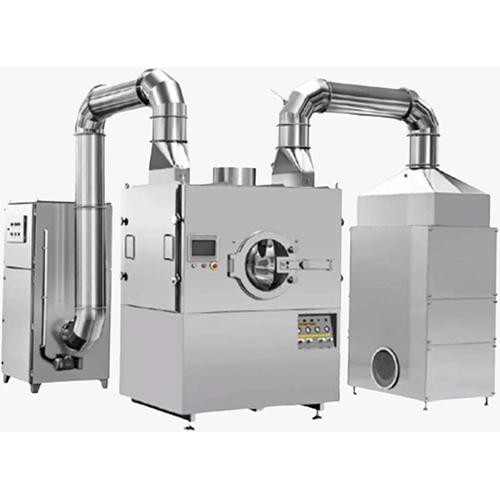
Price 2500000 INR / Unit
Minimum Order Quantity : 1 Unit
Computerized : No
Voltage : 220440 Volt (v)
Color : Other, Silver
Material : Stainless Steel
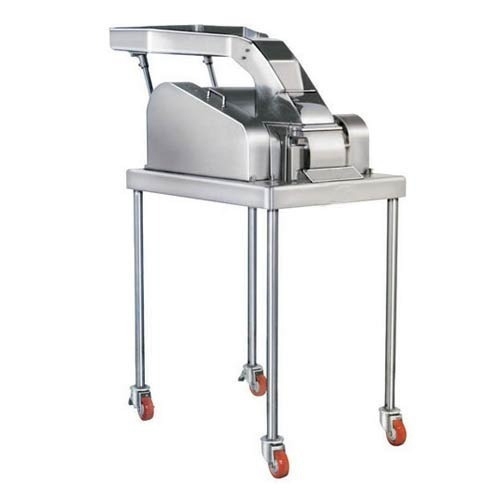
Price 750000 INR / Unit
Minimum Order Quantity : 1 Unit
Computerized : No
Voltage : 220440 Volt (v)
Color : Other, Silver
Material : Stainless Steel
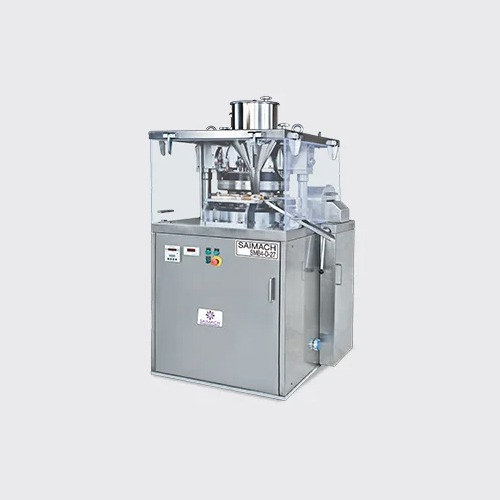
Price 750000 INR / Unit
Minimum Order Quantity : 1 Unit
Computerized : No
Voltage : 220440 Volt (v)
Color : Other, Silver
Material : Stainless Steel
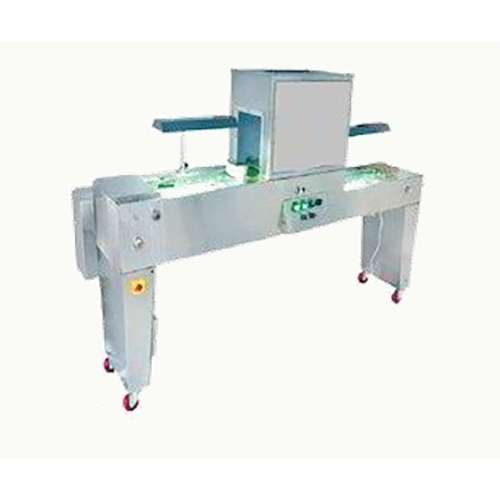
Price 275000 INR / Unit
Minimum Order Quantity : 1 Unit
Computerized : No
Voltage : 220440 Volt (v)
Color : Other, Silver
Material : Stainless Steel



 English
 Spanish
 French
 German
 Italian
 Chinese (Simplified)
 Japanese
 Korean
 Arabic
 Portuguese
 Send Inquiry
 Get Latest Price

